Frequently Asked Questions
What plants grow at Swiss Alpine peaks?
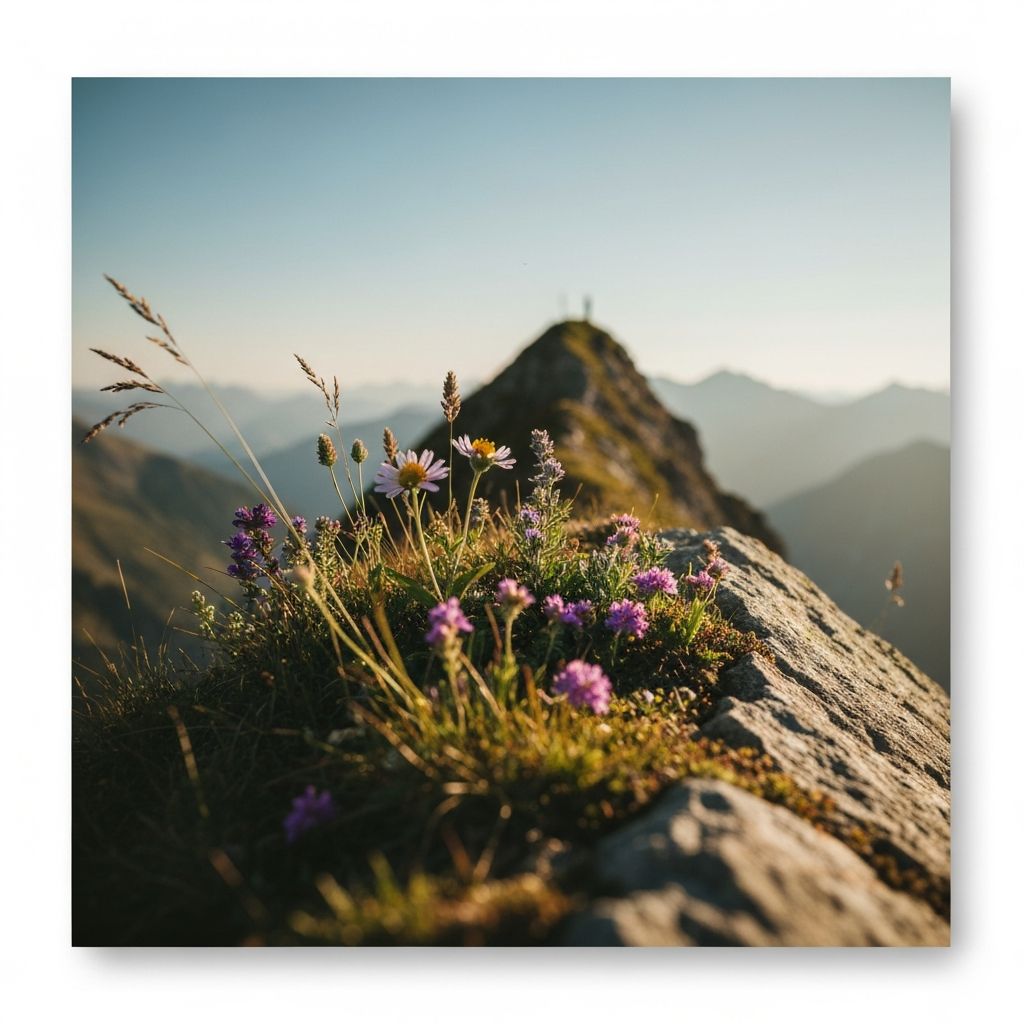
Swiss Alpine peaks host specialized vegetation adapted to high-altitude environments. Edelweiss, Alpine clover, mountain arnica, gentian, and various thyme species thrive in these extreme conditions. Elevation limits forest growth, creating meadows of hardy herbs that concentrate bioactive compounds in response to intense sunlight and environmental stress.
How does elevation influence botanical compound development?
High-altitude environments create unique growing conditions that shape plant chemistry. Intense UV radiation, temperature extremes, shorter growing seasons, and mineral-rich Alpine soils drive plants to develop protective and adaptive compounds. These environmental pressures produce botanicals with distinctive micronutrient profiles and concentrated phytoactive substances compared to lowland variants.
What general nutritional aspects relate to aging?
Aging brings natural shifts in nutrition needs and physiological function. Metabolic rate declines gradually, reducing overall caloric requirements while micronutrient needs often increase. Nutrient absorption becomes less efficient, requiring attention to nutrient density in food choices. Muscle loss accelerates without adequate protein intake. Understanding these changes helps develop appropriate nutritional strategies for different life stages.
Are Alpine botanicals better than lowland plants?
Alpine and lowland botanicals offer different compound profiles suited to different purposes. Alpine plants develop unique adaptations valuable for specific properties, while lowland plants offer their own benefits. "Better" depends on specific goals and individual responses. Diversity in plant sources provides a wider range of compounds supporting comprehensive nutrition.
How do traditional uses relate to modern scientific understanding?
Traditional use suggests cultural value and centuries of observation, but doesn't guarantee modern scientific validation. Some traditionally valued botanicals show strong scientific support, others show modest evidence, and some lack rigorous study. Modern research applies standardized testing, large samples, and controlled conditions—providing different type of evidence than cultural tradition. Both perspectives offer valuable information.
Can supplements replace healthy eating?
Supplements support but cannot replace whole food nutrition. Whole foods contain thousands of compounds, fiber, and nutrient combinations not present in supplements. Foods also provide psychological satisfaction and cultural value supplements cannot match. Effective wellness strategy emphasizes whole foods with supplements filling specific nutritional gaps.
What micronutrients matter most for aging men?
Important micronutrients for aging men include zinc (immune and reproductive support), selenium (antioxidant and thyroid function), magnesium (metabolic and cardiovascular health), vitamin D (bone health and immune function), and B vitamins (energy and nervous system support). Individual requirements vary based on diet, health status, and genetics. Professional assessment helps identify personal needs.
How do individual genetics influence nutritional needs?
Genetic variation affects nutrient absorption efficiency, metabolism, compound sensitivity, and disease susceptibility. Some people efficiently absorb nutrients while others face absorption challenges. Genetic differences also influence how individuals respond to specific compounds. These variations mean recommendations effective for most people may not suit everyone, making professional assessment valuable.
What safety concerns exist with botanical supplements?
Botanical supplements can interact with medications, affect existing health conditions, and cause adverse effects in some individuals. "Natural" doesn't automatically mean safe—potent compounds can produce serious effects. Quality and purity vary among products. Individual sensitivities, allergies, and contraindications require professional consideration. Healthcare provider consultation becomes essential when managing multiple medications or existing conditions.
How do seasonal cycles affect Alpine botanicals?
Alpine seasonal rhythms profoundly influence plant growth and compound development. Spring brings new growth with specific nutrient profiles, summer produces peak flowering and compound concentration, autumn marks seed maturation with different chemical characteristics, and winter dormancy follows. Harvest timing influences which compounds predominate. Traditional Alpine knowledge recognized these cycles and adjusted botanical use seasonally.
What quality standards should supplement products meet?
Reputable supplements meet standards including proper ingredient identification, accurate labeling, contamination testing, and manufacturing quality control. Look for third-party testing certification, clear labeling of contents and quantities, and transparent sourcing information. Products regulated by health authorities generally offer greater assurance than unregulated alternatives. Professional recommendations help identify quality sources.
Why doesn't this site recommend specific products?
Effective product selection depends on individual circumstances including health status, medications, quality standards, and personal needs. Professional healthcare providers can assess individual situations and recommend appropriate options. We provide educational information about botanicals, compounds, and approaches—allowing informed personal decisions with professional guidance rather than making recommendations unsuitable for individual variation.
Educational Information
These FAQs provide general informational content about Alpine botanicals and wellness concepts. Individual health decisions require professional assessment of personal circumstances. Consult healthcare providers for guidance appropriate to your specific situation.
Have More Questions?
Contact us with additional inquiries about Alpine botanicals and wellness education.
Send a Question Back to Home